Best web hosting 2026: 8 providers compared

Choosing the best web hosting in 2026 is less about finding the lowest advertised monthly rate and more about matching a plan to your website, budget and willingness to manage the technical details. A small blog, a multi-site portfolio, a growing business website and a managed WordPress project do not need the same hosting setup.
Quick answer: Hostinger Premium is worth considering if you can prepay for 48 months and need no more than three websites. SiteGround StartUp suits one site when daily backups, email and support matter. DreamHost Launch allows up to 25 websites, but its email trial becomes a paid service. Hosting.com bundles several useful features on its shared plans. Cloudways is a different category for people who want managed cloud infrastructure, while WP Engine is the premium managed-WordPress option.
There is no universal winner. Compare the full first payment, renewal rate, website and storage limits, email costs and backup policy before choosing.
Pricing context: This comparison uses the providers’ US-facing pages and USD prices checked on November 21, 2026. Introductory prices are tied to the stated billing term; they are not month-to-month prices. Taxes, add-ons and checkout-specific offers may change the amount charged. Where a provider does not publish a clear term or renewal figure on the page reviewed, that limitation is stated rather than guessed.
Best web hosting 2026: quick comparison

The plans below are useful reference points, not identical products. Shared hosting, managed cloud hosting and managed WordPress hosting have different levels of control, support and included maintenance. Read the billing notes as carefully as the feature list.
| Provider and plan | Hosting type | Published US price checked Nov 21, 2026 | Useful plan details | Best fit |
|---|---|---|---|---|
| Hostinger Premium | Shared / WordPress | $1.99/mo for 48 months; $95.52 due upfront. Renews at $10.99/mo for the same term. | 3 websites, 20 GB SSD, weekly backups, 2 mailboxes per website free for 1 year. | People comfortable with a four-year prepayment and a three-site limit. |
| SiteGround StartUp | Shared / WordPress | $1.99/mo, prepaid for 12 months; $17.99/mo renewal. Introductory total is $23.88 before tax, calculated from the displayed rate. | 1 website, 10 GB storage, daily backups, free email, SSL, CDN and support. | One-site owners who value included maintenance and support. |
| DreamHost Launch | Shared / WordPress | $2.89/mo for the first year; $34.68 before tax for 12 months, calculated from the displayed rate. Renews at $10.99/mo. | 25 websites, 25 GB NVMe storage, daily backups and 20 mailboxes free for 3 months. | People hosting several smaller websites who can budget separately for email after the trial. |
| Bluehost Starter | Shared / WordPress | $3.99/mo on a 36-month term; estimated base total $143.64 before tax and add-ons. Renews at $9.99/mo on the 36-month term. | 10 GB NVMe storage, a provider-estimated 40,000 monthly visits, weekly backups and 24/7 chat support. | Readers who want a familiar shared-hosting setup; confirm the website limit and email allowance at checkout. |
| HostGator Hatchling | Shared / WordPress | Advertised from $2.75/mo; the public plan card does not show the promotional term. Standard Hatchling renewal is $10.99/mo equivalent on a 3-year term ($395.61 upfront). | 1 domain, one-click WordPress install, cPanel, free SSL and free domain. | A single-domain site that needs a conventional cPanel setup. |
| Hosting.com Starter (formerly A2 Hosting) | Shared hosting | Black Friday page advertises hosting from $1.49/mo; the plan overview does not expose a complete first-payment and renewal breakdown. | 5 websites, 15 GB NVMe storage, email, daily backups, SSL and managed migration. | People who want several bundled services and room for multiple small sites. |
| Cloudways Flexible Micro | Managed cloud | $14/mo list price for the DigitalOcean Micro server, billed by usage at $0.0208/hour; off-site backup storage is extra. | 1 GB RAM, 1 vCPU, 25 GB NVMe storage and 1 TB transfer bandwidth. | Developers and site owners who want cloud-server flexibility rather than entry-level shared hosting. |
| WP Engine Essential | Managed WordPress | From $28/mo billed annually for the 1-site entry capacity; $336 due today. Renewal pricing is not clearly published and may change. | 1 site, 25,000 estimated monthly visits, 10 GB storage, daily automated backups and 24/7 chat support. | WordPress owners willing to pay more for a managed platform and less routine server administration. |
How to read the prices: A monthly equivalent can hide a large upfront payment. For example, Hostinger Premium’s displayed $1.99 rate requires $95.52 for 48 months, while SiteGround’s $1.99 rate is prepaid for 12 months. Cloudways bills by server usage, and WP Engine’s published entry price is annual. These are not equivalent commitments.
For this update, HostChoices reviewed provider pricing pages, plan documentation, billing and renewal information, feature limits and relevant help articles. We compared the published terms that affect a buying decision: website capacity, storage, email, backups, support, management level and the cost after the introductory period. We also checked the current brand name where a provider had changed its identity.
That distinction matters. A provider’s advertised uptime commitment, storage allowance or performance feature is useful plan information, but it is not the same thing as a measured result from a controlled test. If you need independent performance evidence, check whether a current third-party study uses comparable plans, locations, test sites and measurement windows before treating its figures as directly comparable.
Eight web hosting providers compared
Hostinger: a long-prepayment option for up to three websites

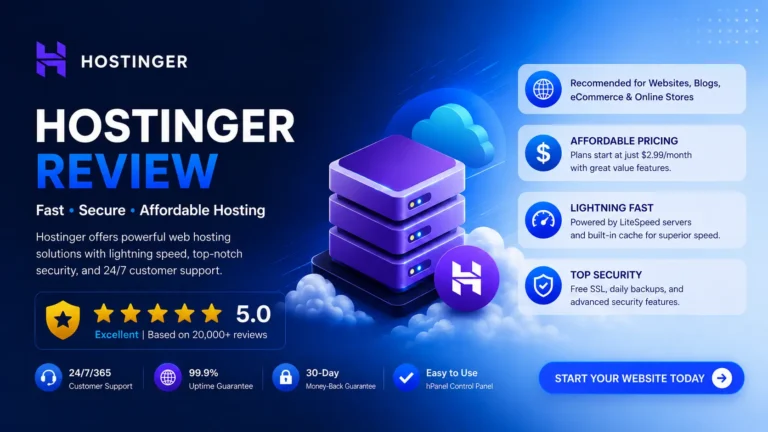
Hostinger Premium is a practical option for creators and small brands that need a few websites and are comfortable paying for a long term in advance. The US pricing page lists three websites, 20 GB SSD storage, weekly backups, a free domain for the first year and two mailboxes per website free for one year.
As checked on November 21, 2026, the displayed Premium offer is $1.99 per month for 48 months, with $95.52 charged upfront. The same page states that the plan renews at $10.99 per month for the same term. The promotional monthly equivalent should not be mistaken for a month-to-month subscription.
Why it may fit: the plan combines WordPress support, a simple shared-hosting starting point and a defined allowance of three websites. It can suit a small portfolio or a few modest sites if the four-year commitment is acceptable.
What to check: the renewal is substantially higher than the introductory equivalent. Backups are weekly on Premium, not daily, and the included mailboxes are free for the first year only. Confirm the email price after that period and the exact tax-inclusive checkout total. If you want a closer look at the provider, see our Hostinger review.
Check Hostinger’s current plans
Source: Hostinger’s US web hosting plans and pricing.
SiteGround: one website with daily backups and email included
SiteGround StartUp is designed for one website. The current plan page lists 10 GB of storage, daily backups, free email, SSL, CDN, a free domain and 24/7 support. The plan is a reasonable match for a small WordPress site where the owner values a managed hosting experience and does not need multiple websites on the same account.
The US offer page displayed $1.99 per month prepaid for 12 months and a renewal rate of $17.99 per month. That makes the introductory payment $23.88 before tax when calculated across 12 months. SiteGround’s pricing help page, updated November 20, 2026, lists $17.99 per month as the standard StartUp rate for a 12-month prepayment. Applicable sales taxes are added based on billing details.
Why it may fit: daily backups, email and support are included in the plan, so the comparison is not just about the initial price.
What to check: the renewal is the key cost. StartUp is limited to one website and 10 GB of storage. If you expect to host several sites, compare the higher SiteGround plans or another provider before paying.
Sources: SiteGround’s current web hosting offer and SiteGround’s standard shared-hosting rates.
DreamHost: more website slots, with email becoming a separate cost
DreamHost Launch is a shared-hosting plan with a larger website allowance than many entry-level plans. Its current plan documentation lists up to 25 websites, 25 GB NVMe storage, daily automated backups and 20 mailboxes free for the first three months. The provider’s help documentation explains that a Professional Email plan is automatically added after the trial if you want to continue using the included email service.
The US pricing page displayed $2.89 per month for the first year and an automatic renewal at $10.99 per month after one year. The first-year base amount is $34.68 before taxes when calculated from the published monthly equivalent. DreamHost states that the full term plus taxes is charged at checkout.
Why it may fit: Launch can make sense for a small collection of sites that fit within the 25 GB storage allowance. The plan includes daily backups and a first-year domain registration on eligible annual or multi-year terms.
What to check: the email trial is not permanent. Budget for Professional Email after the first three months, and check storage and visit estimates against your actual sites. If email is essential to your business, compare the ongoing mailbox cost before choosing.
Sources: DreamHost’s current pricing page and DreamHost’s Web Hosting plan overview.
Bluehost: a familiar shared-hosting option, but verify the plan details
Bluehost’s current US pricing page lists Starter at $3.99 per month for a 36-month term, renewing at $9.99 per month for the 36-month term. The displayed base rate implies $143.64 for 36 months before taxes and optional add-ons. The provider says VAT and GST are not included.
The same pricing page lists 10 GB NVMe storage, an estimated 40,000 monthly visits, weekly website backups, a free domain for the first year, SSL, CDN and 24/7 chat support. Its comparison information lists a 100 MB email quota per mailbox for Starter. Bluehost also publishes a 99.99% uptime SLA for its plans; that is a provider commitment, not a HostChoices uptime measurement.
Why it may fit: Bluehost may suit a reader who wants a conventional shared-hosting setup with WordPress onboarding, a free first-year domain and chat support.
What to check: the pricing page contains different descriptions of the Starter website allowance: one section positions it as a plan for one site, while another feature panel lists 10 websites. Confirm the actual limit in the checkout flow and account documentation before relying on it. Also check the mailbox quota, renewal term and any paid extras. For a direct comparison with Hostinger, see Hostinger vs Bluehost.
Sources: Bluehost’s current US pricing page and Bluehost’s shared-hosting feature comparison.
HostGator: straightforward cPanel hosting for one domain
HostGator Hatchling is the provider’s single-domain shared-hosting plan. Its public plan page lists one-click WordPress installs, cPanel, a website-transfer option, unmetered bandwidth, free SSL and a free domain. That feature set may be enough for a basic website that does not need multiple domains on one account.
The current plan page advertises Hatchling from $2.75 per month, but the public plan card does not show the promotional billing term or exact first payment. HostGator’s standard price chart lists Hatchling at $17.59 for one month, $158.27 for one year (a $13.19 monthly equivalent) and $395.61 for three years (a $10.99 monthly equivalent). The full selected term is charged upfront at the regular rate in that chart.
Why it may fit: a single-domain site owner who prefers a traditional cPanel workflow and wants the basics in one shared plan.
What to check: do not compare the $2.75 advertised starting rate with another provider’s complete first-term total until you confirm the term and amount due at checkout. Check the renewal rate, domain renewal and any paid security or backup add-ons before purchasing.
Sources: HostGator’s shared-hosting plans and HostGator’s official hosting price chart.
Hosting.com: the current name for A2 Hosting
A2 Hosting has been rebranded as Hosting.com. The company’s announcement confirms the change, so readers comparing older A2 Hosting reviews should check whether the plan names, prices and terms still match the current Hosting.com offer.
The current Hosting.com shared-hosting overview lists a Starter plan with five websites, 15 GB NVMe storage, email, security features, malware detection and removal, free managed migration, free SSL and daily backups. The company also advertises 24/7 in-house support and a 99.9% uptime SLA on its hosting page.
The current Black Friday landing page advertises hosting from $1.49 per month, but the plan overview reviewed for this update does not show a complete first-payment total, the exact term attached to that starting price or the corresponding renewal price. For that reason, the $1.49 figure should be treated as an advertised starting point, not a complete cost comparison.
Why it may fit: people who want multiple website slots and a bundle that includes email, daily backups, migration and security features.
What to check: confirm the exact plan name, website allowance, initial term, amount due today and renewal price in the US checkout flow. Do not carry over A2 Hosting prices or product descriptions from older articles without checking the current Hosting.com page.
Sources: Hosting.com’s shared-hosting plans, its current advertised offer and the official A2 Hosting rebrand announcement.
Cloudways: managed cloud hosting for more technical control
Cloudways Flexible is not a direct substitute for a low-cost shared-hosting plan. It lets customers choose an underlying cloud provider and configure server resources for applications such as WordPress, Magento, Laravel and PHP. That flexibility is useful for developers and growing sites, but it also means you need to understand resource sizing and usage-based billing.
The current pricing page lists a DigitalOcean Micro server at $14 per month, billed at $0.0208 per hour. Its published configuration includes 1 GB RAM, one vCPU, 25 GB NVMe storage and 1 TB transfer bandwidth. Cloudways states that off-site backup storage is billed separately at $0.033 per GB, and additional bandwidth may incur charges.
Why it may fit: developers, agencies and site owners who need cloud infrastructure choices, hourly billing and more control over the server environment.
What to check: calculate the cost of the server, backup storage, bandwidth overages and any optional services. Do not assume that a cloud server includes the same bundled email and beginner-oriented features as shared hosting. Cloudways also advertises a time-limited discount on its pricing page; compare the post-promotion list price, not only the first two months.
Source: Cloudways Flexible pricing and billing details.
WP Engine: premium managed WordPress hosting
WP Engine is designed for WordPress sites where the owner wants the hosting platform to handle more of the maintenance work. Its Essential plan lists daily automated backups, 24/7 chat support, managed WordPress, PHP and MySQL, plus free SSL and SSH. The entry capacity is one website, with a published estimate of 25,000 monthly visits and 10 GB of storage.
In the US/USD view reviewed for this update, WP Engine’s Essential plan showed a starting price of $28 per month billed annually, with $336 due upfront for the first year. WP Engine states that first-year pricing and associated coupons apply to eligible new Essential customers only, that taxes and overages may apply, and that renewal pricing is subject to change. A separate renewal figure was not clearly published in the pricing information reviewed for this update.
Why it may fit: a WordPress business site or content operation that values managed maintenance, daily backups and specialist hosting support enough to justify a higher starting cost.
What to check: confirm the current first-year offer, renewal rate, traffic allowance, storage, bandwidth, add-ons and overage rules before checkout. The Essential plan lists 24/7 chat support; do not assume that phone support or the higher-tier uptime SLA is included in the entry plan. Plan for email separately unless you have verified a mail service in your chosen package.
Source: WP Engine’s plans and pricing.
Which web hosting provider should you choose?
Start with the limitation that matters most to your site. The best choice is the plan that solves that problem without making you pay for capacity or services you will not use.
- You need up to three websites and can prepay for four years: compare Hostinger Premium, but budget for the renewal and the end of the included email period.
- You run one WordPress site and want daily backups and email included: SiteGround StartUp is worth comparing, provided its renewal rate fits your budget.
- You need several small websites on one shared plan: DreamHost Launch offers up to 25 websites, while Hosting.com Starter lists five. Compare storage and ongoing email costs as well as site count.
- You want a conventional single-domain cPanel plan: HostGator Hatchling is a straightforward option, but check the complete checkout total and renewal terms.
- You want a shared-hosting plan with a free domain and WordPress onboarding: compare Bluehost’s current Starter terms, and verify the website and mailbox limits before paying.
- You need more control over cloud resources: Cloudways is a better category match than shared hosting, but include backups and usage charges in your budget.
- You want WordPress maintenance handled by a specialist platform: compare WP Engine’s Essential plan with other managed WordPress options, including the renewal price and add-ons.
If you are still deciding between entry-level and managed plans, use our guide on how to choose web hosting. If your shortlist is mainly shared hosting, compare the long-term costs in our cheapest web hosting comparison and web hosting cost calculator.
How to compare the real cost of web hosting
Before you buy, write down the amount due today and the amount due at renewal. A low monthly equivalent can still require a large upfront payment, and a plan that includes email or backups may be cheaper overall than a plan that charges for those services separately.

- Record the full first payment. Multiply the displayed monthly equivalent by the prepaid term, then confirm the actual checkout total, including taxes and add-ons.
- Record the renewal price and term. Check whether the renewal is billed monthly, annually or for another multi-year period.
- Check domain and email costs. A free domain or mailbox may only be included for the first year or a short trial. Check the renewal cost and mailbox limits.
- Check backup frequency and restore terms. Weekly backups are not the same as daily backups. Confirm whether restores, off-site storage or on-demand copies cost extra.
- Check plan limits before choosing by price. Website count, storage, traffic estimates, CPU and RAM limits can matter more than the headline discount.
- Compare like with like. Do not compare a 48-month prepaid shared-hosting offer with a month-to-month managed cloud server as though they were the same product.
If you already have a Bluehost site, there is no need to move just because another provider advertises a lower introductory rate. Compare the next renewal, add-on costs and any specific limitation you need to fix. Our Bluehost alternatives guide can help you shortlist options, and our WordPress migration guide explains how to plan a move without cancelling the old service too early.
Frequently asked questions
What is the best web hosting in 2026?
There is no single best provider for every website. Hostinger, SiteGround, DreamHost, Bluehost, HostGator and Hosting.com offer different shared-hosting limits and billing terms. Cloudways targets managed cloud hosting, while WP Engine targets managed WordPress. Choose based on site count, storage, email, backups, support and renewal cost.
Which web hosting provider has the lowest introductory price?
Several providers advertise low introductory starting prices, but their terms differ. Hostinger’s current Premium offer requires 48 months upfront, SiteGround’s offer is prepaid for 12 months, and DreamHost’s Launch offer is for the first year. Hosting.com and HostGator display starting prices without all billing details in the plan summary reviewed here. Compare the full checkout total and renewal rate rather than sorting by the smallest monthly number.
Does HostChoices test the hosting providers directly?
This comparison is based on current provider documentation, published pricing and plan conditions, plus editorial analysis. HostChoices does not claim to have run 90-day uptime monitoring, controlled TTFB tests or live support tests for this update. Any future firsthand tests will be identified separately and accompanied by their test dates and methodology.
Is A2 Hosting still a separate provider?
A2 Hosting has been rebranded as Hosting.com. Use the current Hosting.com plan pages for current plan names, limits and prices, and treat older A2 Hosting pricing as historical unless it is confirmed on the current site.
Should I switch hosting providers to save money?
Not automatically. Compare the next renewal and the cost of email, backups, domains, migrations and any add-ons. If your current plan still meets your website’s needs, staying may be simpler and less risky. Switch when another plan solves a real limitation and the total cost makes sense.
Final recommendation
Choose hosting by the work your website needs, not by the largest discount on a sales page. Hostinger Premium can suit a small multi-site setup with a long prepayment; SiteGround StartUp is a one-site option with daily backups and email; DreamHost Launch offers a higher website allowance but charges for email after its trial; Hosting.com bundles several shared-hosting features; Cloudways provides a more flexible cloud environment; and WP Engine is for WordPress owners who want a more managed service.
Before checkout, confirm the exact amount due, renewal rate, billing term, taxes, website limit, storage and email terms on the provider’s own page. Those details will have a bigger impact on your long-term hosting cost than the introductory price alone.
Disclosure: HostChoices may earn a commission when you purchase through some links in this article, at no extra cost to you. Affiliate links are identified where applicable.